

Reviewed by NTVAL Engineering Team
Last updated: March 2026
Europe remains one of the most established regions for industrial valve manufacturing, with many suppliers serving sectors such as oil & gas, power generation, petrochemical processing, water infrastructure, and industrial utilities.
Europe remains a major region for industrial valve supply across energy, utility, and process industries, supported by long-established manufacturing and engineering networks.
For engineers and procurement teams, choosing the right globe valve manufacturer is not simply about selecting a familiar brand. A suitable supplier should be evaluated based on several technical and commercial factors, including:
- standards compliance
- material capability
- pressure class and size range
- testing and inspection procedures
- engineering support and export documentation
This guide reviews 7 globe valve manufacturers in Europe and compares their strengths, product focus, and typical applications to help industrial buyers shortlist suitable suppliers for project evaluation.
What Is a Globe Valve?
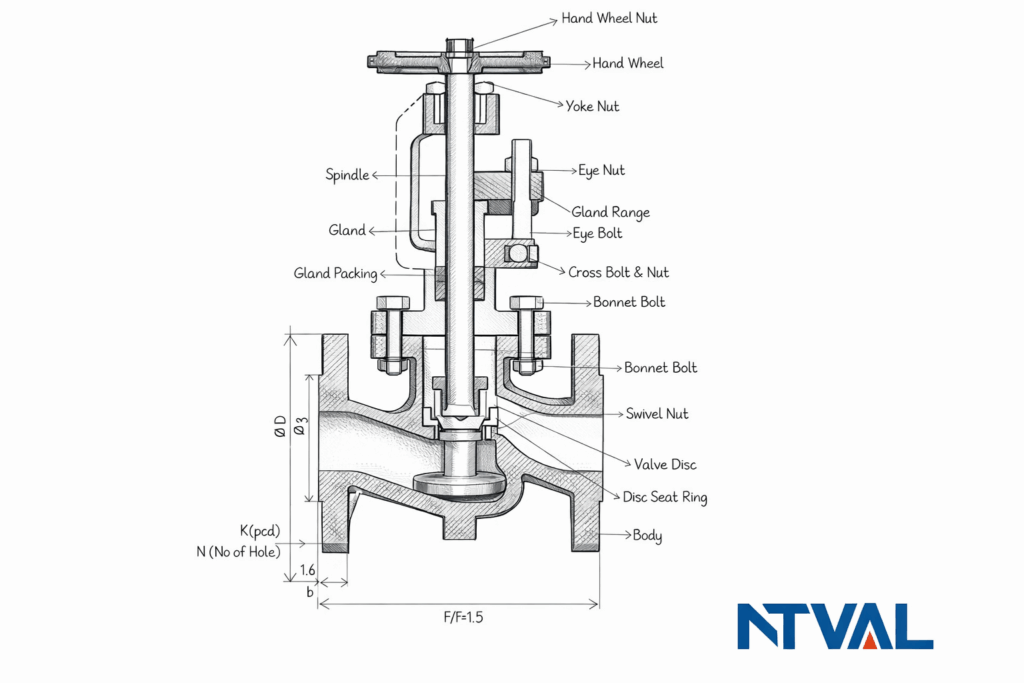
A globe valve is a linear-motion valve primarily used for flow regulation and throttling service. Inside the valve body, a movable disc travels toward or away from a stationary seat to control the flow path. For a broader product overview, buyers can also review NTVAL’s globe valve manufacturer page for standard industrial configurations.
Because the disc and seat arrangement allows more accurate regulation than many isolation valve types, globe valves are widely used where operators need to adjust flow, pressure, or system balance.
Typical globe valve applications include:
- steam service
- condensate systems
- boiler feed systems
- refinery processing lines
- chemical dosing and control systems
- industrial water treatment
In general, globe valves are selected when control accuracy is more important than minimizing pressure drop.
In practice, globe valves are often chosen for systems where stable regulation, operator adjustment, and repeatable throttling performance are more important than achieving the lowest possible line loss.
Globe Valve vs Gate Valve
Although both valve types are widely used in industrial systems, they are typically selected for different duties.
| Valve Type | Main Function | Flow Control | Pressure Drop | Typical Use |
|---|---|---|---|---|
| Globe Valve | Regulation / throttling | Excellent | Higher | Flow control service |
| Gate Valve | Isolation | Limited | Lower when fully open | Full open / full close duty |
A globe valve is usually preferred when the system requires frequent regulation, throttling, or pressure control. A gate valve is generally preferred for straight-through isolation service where low pressure drop is important. Buyers comparing regulation vs isolation duty can also review NTVAL’s gate valve manufacturer page for standard gate valve applications.
锚文本
Design Note: Globe valves generally create a higher pressure drop than gate valves because the internal flow path changes direction inside the valve body. In many steam and process applications, this trade-off is acceptable when accurate throttling and controllable flow behavior are required.
Top 7 Globe Valve Manufacturers in Europe
1. NTVAL – Best for Global Industrial Projects
City & Country: Gillingham, United Kingdom
Established: 1998
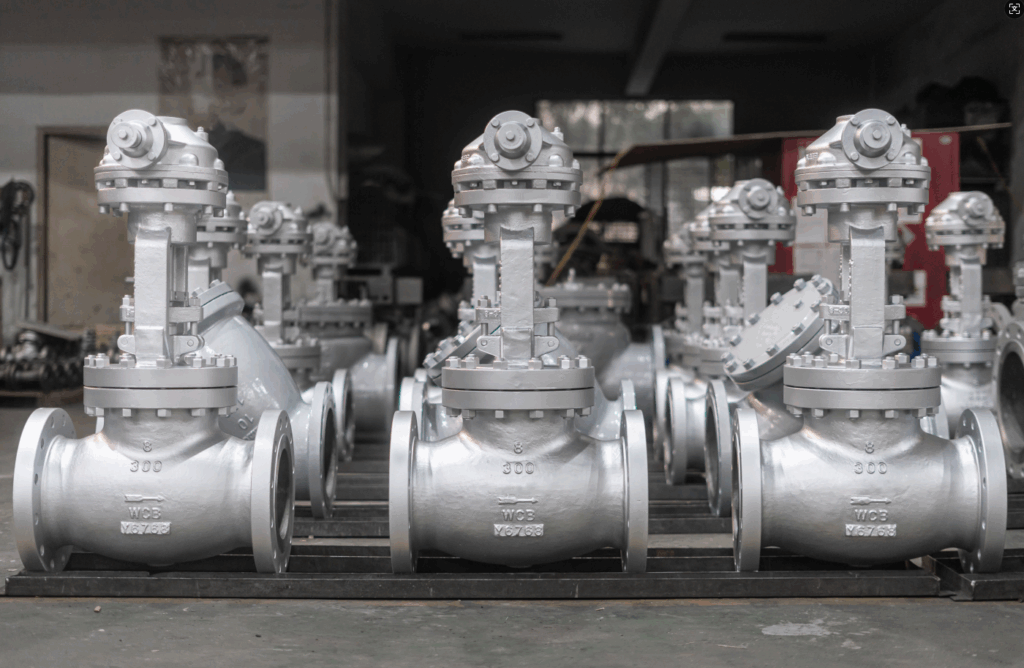
NTVAL is an international industrial valve manufacturer supplying globe valves and other flow-control products to customers in more than 50 countries. The company serves industries such as oil & gas, petrochemical processing, power generation, and water treatment.
Its globe valve offering is positioned for industrial applications where durability, pressure integrity, and export support are important. Depending on project requirements, globe valves may be supplied in accordance with commonly referenced industrial valve standards and customer specifications.
Key Globe Valve Products
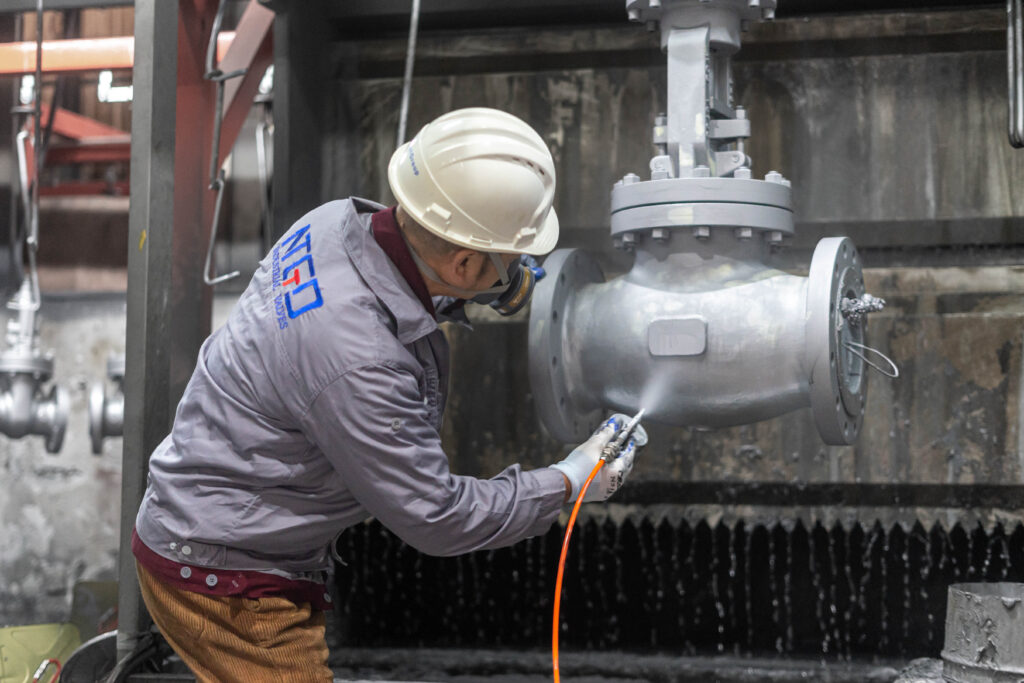
- Cast steel globe valves
- Forged steel globe valves
- High-pressure globe valves
Typical Applications
- refinery processing systems
- power plant steam lines
- industrial pipeline flow regulation
Takeaway
NTVAL is often shortlisted by buyers looking for a reliable globe valve supplier for international industrial projects, especially where engineering support and project documentation are important.
Best fit: Buyers who need export-ready documentation, practical engineering support, and globe valves for general industrial project applications.
2. Babcock Valves – Best for Power Generation Applications
City & Country: Madrid, Spain
Established: 1967
Babcock Valves is known for supplying industrial valves to the power generation and petrochemical sectors. The company has longstanding experience in applications involving elevated temperature, pressure, and demanding operating conditions.
Its engineering capabilities and industry focus make it a relevant supplier for projects where long-term reliability is critical.
Key Globe Valve Products
- Industrial globe valves
- High-pressure globe valves
- Service valves for power applications
Typical Applications
- thermal power plants
- petrochemical facilities
- refinery units
Takeaway
Babcock Valves is commonly considered for projects requiring globe valves for high-temperature and high-pressure industrial service.
Best fit: Buyers prioritizing proven performance in power and process applications where operating conditions are demanding.
3. Rofi Sarl – Best for Quality-Focused Valve Supply
City & Country: Brussels, Belgium
Established: 1995
Rofi Sarl supplies valves and fittings for a range of industrial applications. The company places emphasis on product quality, technical support, and service responsiveness.
Its capabilities in automation support and special treatment options can be relevant for projects requiring application-specific adaptations.
Key Globe Valve Products
- Industrial globe valves
- Check valves
- Automated valve solutions
Typical Applications
- industrial processing lines
- pipeline control systems
- general flow regulation duties
Takeaway
Rofi Sarl is often selected by buyers seeking quality-focused supply with technical service support.
Best fit: Projects where product quality, responsiveness, and technical adaptation are important selection factors.
4. KVE GmbH Kihsco Valves Europe – Best for Compliance & Certifications
City & Country: Groß-Gerau, Germany
Established: 2010
KVE GmbH Kihsco Valves Europe operates as a valve supplier with strong emphasis on compliance, approvals, and documentation support. Its location near Frankfurt also supports logistics efficiency for European and export projects.
The company is relevant for applications where documentation and certification requirements are part of the procurement process.
Key Globe Valve Products
- Industrial globe valves
- Check valves
- Certified valve solutions for regulated applications
Typical Applications
- industrial projects with compliance requirements
- regulated process systems
- engineering and infrastructure projects
Takeaway
KVE is often considered when buyers require strong documentation, approvals, and compliance-oriented supply.
Best fit: Projects where compliance records, approvals, and procurement documentation carry significant weight in supplier selection.
5. Lead Valve – Best for Quality Management Systems
City & Country: London, United Kingdom
Established: 1970
Lead Valve has developed a reputation around quality management and process control in valve production. The company emphasizes production oversight, inspection discipline, and consistency across manufacturing stages.
For buyers who prioritize process control and inspection procedures, this can be a meaningful differentiator.
Key Globe Valve Products
- Industrial globe valves
- Check valves
- General process valve solutions
Typical Applications
- industrial pipeline systems
- engineering projects
- process plants requiring reliable shut-off and regulation
Takeaway
Lead Valve is typically selected for projects where quality management and inspection discipline are key purchasing criteria.
Best fit: Buyers who place strong emphasis on inspection discipline, process stability, and production consistency.
6. AVM – Best for Water Infrastructure Applications
City & Country: Oslo, Norway
Established: 1967
AVM is known for supplying valves to water, sewage, and hydro-related infrastructure applications. The company also develops customized valve designs for project-specific requirements.
Its sector focus makes it particularly relevant for municipal and utility-driven applications.
Key Globe Valve Products
- Globe valves for water systems
- Wedge gate valves
- Customized valve solutions
Typical Applications
- water distribution networks
- sewage treatment systems
- hydro-power projects
Takeaway
AVM is commonly chosen for water infrastructure, sewage, and utility projects requiring reliable valve solutions.
Best fit: Municipal, utility, and hydro-related projects where application fit and customization may matter more than broad multi-industry coverage.
7. Bore Valves – Best for Engineering-Driven Solutions
City & Country: Madrid, Spain
Established: 1999
Bore Valves is an engineering-focused valve company involved in design, production, and sourcing. The company’s workshop and engineering capabilities support industrial applications requiring durable and cost-conscious solutions.
Its profile is relevant for projects where practical engineering support and value-focused supply matter.
Key Globe Valve Products
- Industrial globe valves
- Butterfly valves
- General industrial flow-control products
Typical Applications
- industrial process systems
- pipeline flow control
- general engineering applications
Takeaway
Bore Valves is often selected for projects requiring engineering-driven valve solutions with practical cost-performance balance.
Best fit: Buyers looking for practical engineering support and cost-performance balance in general industrial applications.
Globe Valve Manufacturer Comparison
The table below summarizes the general positioning of these European globe valve manufacturers.
| Manufacturer | Country | Best For | Key Globe Valve Focus | Typical Industries |
|---|---|---|---|---|
| NTVAL | United Kingdom | Global industrial projects | Cast / forged steel globe valves | Oil & Gas, Power, Water |
| Babcock Valves | Spain | High-temperature service | Power-oriented globe valves | Power, Petrochemical |
| Rofi Sarl | Belgium | Quality-focused supply | General industrial globe valves | Industrial Processing |
| KVE GmbH | Germany | Compliance & certifications | Documentation-driven supply | Regulated Projects |
| Lead Valve | United Kingdom | Quality management systems | General industrial globe valves | Process Industries |
| AVM | Norway | Water infrastructure | Utility globe valves | Water, Sewage, Hydro |
| Bore Valves | Spain | Engineering-driven solutions | Industrial globe valves | Pipelines, Process Systems |
Need help comparing supplier capabilities against your project specification? Our engineering team can help you review material options, testing expectations, and documentation requirements before quotation.
Request a Technical Comparison
How to Choose a Globe Valve Manufacturer in Europe
Selecting the right globe valve supplier requires more than reviewing company profiles. For industrial projects, buyers usually evaluate several technical and commercial factors before issuing a purchase order.
1. Standards Compliance
Reliable globe valve manufacturers should be able to supply products that align with the relevant project standards and specifications.
Depending on the application, buyers may need to confirm compliance with:
- ASME valve design requirements
- API-related industrial valve requirements
- EN / European project specifications
- customer or EPC-specific procurement documents
Standards compliance is especially important in sectors such as oil & gas, power generation, and regulated process industries.
2. Material Capability
Material selection directly affects corrosion resistance, pressure integrity, and temperature performance.
Common globe valve body and trim material options may include:
- carbon steel
- alloy steel
- stainless steel
- duplex stainless steel
For more demanding applications, buyers may also require special alloys depending on media, operating temperature, and corrosion conditions. In corrosive service, buyers often review stainless steel globe valves for better resistance to aggressive media.
3. Pressure Class and Application Fit
Not all globe valves are intended for the same service. Buyers should confirm that the supplier can provide the right design for the intended duty, including:
- throttling service
- steam service
- boiler feed lines
- condensate systems
- high-pressure processing lines
Application fit is often more important than simply comparing brand names. In larger pipeline systems, flanged globe valves are often evaluated for installation and maintenance convenience.
4. Testing and Inspection
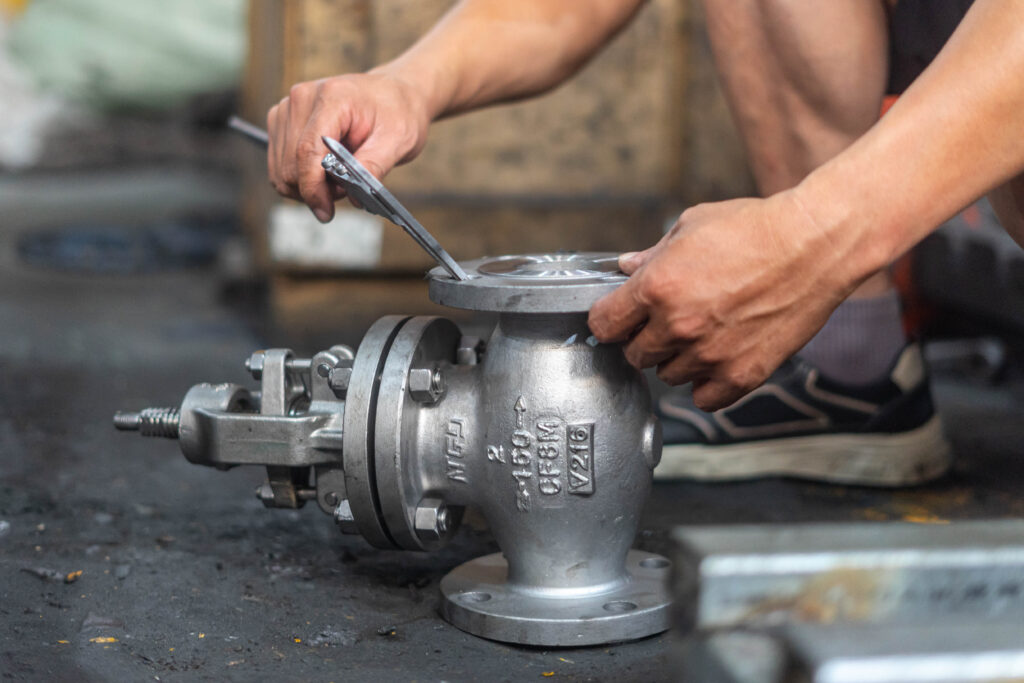
Quality valve manufacturers usually perform several inspection and testing procedures before shipment.
Common checks may include:
| Test | Purpose |
|---|---|
| Hydrostatic Test | Verify body pressure integrity |
| Seat Leakage Test | Confirm sealing performance |
| Functional Test | Verify opening and closing operation |
| Material Verification | Confirm material compliance where required |
These procedures help reduce the risk of installation problems and field failures.
For critical services such as high-temperature steam, refinery duty, or project-driven export orders, buyers may also request additional inspection records or non-destructive examination reports depending on the specification.
5. Engineering Support and Documentation
For project buyers, support after quotation is often just as important as the valve itself.
Useful supplier capabilities may include:
- technical review of valve selection
- drawing and datasheet support
- inspection and test documentation
- export packing and shipping coordination
- response to project-specific material and compliance requirements
Manufacturers with stronger engineering support are often better suited for EPC, contractor, and export-driven projects.
6. Material Traceability
For many industrial projects, material traceability is a critical requirement rather than a secondary preference.
Buyers may need to confirm that the manufacturer can support documentation such as:
- heat number traceability
- material certificates
- inspection records
- project-specific document packages
This is especially relevant for regulated industries, export projects, and contractor-driven procurement where document completeness is part of final acceptance.
7. Lead Time and Customization Capability
Commercial fit matters as much as technical fit in many procurement decisions.
Before shortlisting a globe valve manufacturer, buyers should confirm:
- standard production lead times
- ability to handle customized configurations
- response time for drawings and technical clarifications
- impact of custom requirements on testing and documentation schedules
In practice, late engineering responses and document delays can affect project timelines just as much as manufacturing lead time.
Unsure which globe valve type, pressure class, or trim material fits your service conditions? Our engineering team can help review your application and recommend a suitable solution.
Discuss Your Valve Requirements
Common Applications of Globe Valves
Because of their control characteristics, globe valves are commonly used in systems where flow regulation is required rather than simple isolation.
Typical services include:
- steam throttling (globe valves for steam applications are commonly selected for controllable flow adjustment and temperature management.)
- process flow balancing
- chemical feed control
- condensate handling
- cooling water control
- industrial utility systems
In many industrial plants, globe valves are selected when operators need repeatable and stable flow control under changing operating conditions.
In many industrial plants, globe valves are chosen for control duties where repeatability and operator adjustment are more important than minimizing line losses.
Practical Buying Note
For many globe valve procurement projects, the final decision depends not only on valve design, but also on testing records, document completeness, lead time, and the supplier’s ability to respond to specification changes during quotation or order execution.
Conclusion
Europe is home to several established globe valve manufacturers serving industries such as oil & gas, power generation, petrochemical processing, water infrastructure, and general industrial engineering.
Each supplier reviewed in this guide offers different strengths depending on application requirements, documentation needs, engineering capability, and sector focus.
When evaluating globe valve manufacturers in Europe, buyers should pay close attention to:
- standards compliance
- material capability
- testing and inspection procedures
- pressure class suitability
- technical support and documentation
If you are sourcing globe valves for industrial projects, NTVAL can support your requirements with engineered valve solutions, technical assistance, and export-ready documentation. Contact our team to discuss your specifications and request a quotation.
Quick Terms
Body
The main pressure-containing part of the valve.
Trim
The internal components that affect shut-off and flow control, often including the disc, seat-related parts, and stem-connected operating elements.
Pressure Class
A rating used to indicate the valve’s allowable pressure-temperature capability.
Seat Leakage
The amount of leakage permitted across the sealing surfaces when the valve is closed.
FAQ
Who are the leading globe valve manufacturers in Europe?
Several established globe valve manufacturers operate in Europe, including NTVAL, Babcock Valves, Rofi Sarl, KVE GmbH Kihsco Valves Europe, Lead Valve, AVM, and Bore Valves. The most suitable supplier depends on application requirements, technical specifications, and project documentation needs.
What industries commonly use globe valves?
Globe valves are widely used in industries that require accurate flow regulation, including oil & gas, power generation, petrochemical processing, water treatment, and industrial utility systems.
When should a globe valve be used instead of a gate valve?
A globe valve is generally preferred when throttling or flow regulation is required. A gate valve is more commonly used for full open or full close isolation service where lower pressure drop is preferred.
What materials are commonly used for industrial globe valves?
Common material options include carbon steel, alloy steel, stainless steel, and duplex stainless steel. The correct material depends on operating pressure, temperature, corrosion conditions, and process media.
Are globe valves suitable for high-pressure systems?
Yes. Certain globe valve designs are used in high-pressure and high-temperature applications such as power plants, refinery systems, and demanding industrial process lines. Buyers should confirm the pressure class, material specification, and application suitability with the supplier.
What should buyers confirm before requesting a globe valve quotation?
Buyers should typically confirm valve size, pressure class, material requirements, end connection type, operating conditions, applicable standards, and documentation requirements before requesting a quotation.
Dive Deeper Into Our Resources
Looking for more diverse product options? Browse through our handpicked selections:
For some insightful reads, we’ve curated a list of recommended articles just for you:
Still haven’t found what you’re looking for? Don’t hesitate to contact us. We’re available around the clock to assist you.


